31 October 2026 · 12 min read
What a Real Estate Buyers Market Actually Looks Like in South East Queensland

Most people who start searching for property in South East Queensland quickly realise there’s a disconnect between what the headlines call a real estate buyers market and what they actually encounter on the ground. We see it every week at BuyIt4U — a buyer walks into an open home in Brisbane or the Gold Coast expecting a calm, balanced negotiation, only to find twenty other families, three investor offers already on the table, and a selling agent who won’t even mention a price guide.
The idea of a real estate buyers market is appealing: conditions where supply outstrips demand, vendors are motivated, and buyers hold the stronger hand. But in the SEQ property landscape, those conditions rarely appear in the way textbooks describe. More often, what looks like a buyer’s market turns out to be a pocket of opportunity that only exists if you know where to look and who to talk to. That’s where our work starts.
In this article, we’ll walk through what real estate buyers market dynamics actually mean for someone trying to purchase a home or investment property in South East Queensland — not the generic theory, but the practical, relationship-driven reality we navigate every day for our clients. We’ll cover why off-market access matters, how fixed-fee representation removes a key conflict, and what you can do to put yourself in a stronger position regardless of the broader cycle.
The SEQ Market Doesn’t Follow the Textbook
A traditional real estate buyers market is defined by high listing volumes, longer days on market, falling prices, and vendors who are more willing to negotiate. Parts of the country have experienced those conditions at different times, but South East Queensland hasn’t followed that script for years. Strong interstate migration, chronic housing undersupply, and the 2032 Olympic infrastructure pipeline have kept demand consistently high. Brisbane’s median house price sits well above a million dollars. The Gold Coast’s median unit price overtook Sydney’s for a period. Vacancy rates hover around one percent.
So when someone comes to us asking if it’s a good time to buy because they’ve heard it’s a buyer’s market, our honest answer is usually: it depends on the street, the agent, and what’s not on the portals. Broad market labels hide the micro-conditions that actually matter to a buyer.
What we’ve found — from sourcing properties for first home buyers, relocators, and investors across the Gold Coast, Brisbane, Sunshine Coast, and as far north as Mackay — is that a functional real estate buyers market can exist inside a seller’s market when you have two things: off-market relationships and the ability to negotiate from a position of independent data, not emotion.
Without those, a buyer is effectively swimming against the current. Selling agents are legally obligated to secure the best price for the vendor, not the buyer. Portal price estimates are algorithmically generated and have no awareness of a renovation, a subfloor issue, or a motivated seller. The deck is stacked, and a "buyer’s market" headline won’t change that.
Where the Real Buyer Advantage Sits
In the work we do at BuyIt4U, the closest thing to a real estate buyers market advantage isn’t a macroeconomic shift — it’s access. Specifically, access to properties that never hit realestate.com.au or Domain. Off-market and pre-market opportunities are where we’ve consistently secured the strongest outcomes for our clients, often at prices below what those properties would have commanded in an open, competitive campaign.
Why does that matter? When a property is listed publicly, every buyer’s agent, every investor with alerts set, and every weekend inspector knows about it. Competition drives urgency, and urgency drives price. Off-market, the dynamic changes. The vendor often values a clean, certain transaction over a drawn-out auction campaign. The selling agent, when they know our reputation and trust that we can deliver an unconditional contract without fuss, will often bring us properties before the signboard goes up.
That’s not a buyer’s market in the classic sense. It’s a relationship-built advantage that functions like one.
Here’s what that looks like in practice — the capability areas that allow us to create buyer-side leverage even when the broader market favours sellers.
- Off-market and pre-market sourcing through local agent relationships — properties that never appear on major listing portals, reducing competition and often securing a better price.
- Independent comparable sales analysis — we strip away algorithm-driven price estimates and selling-agent price guides to determine what a property is genuinely worth based on recent, comparable transactions.
- Fixed-fee buyer representation — our fee does not rise with the purchase price, so there’s no incentive to push a client’s budget upward, aligning our outcome with the buyer’s, not the vendor’s.
- Full due diligence coordination — building and pest, conveyancing, and finance liaison through to unconditional status, so no detail is missed and emotional decisions are replaced with data.
These aren’t theoretical points. They’re the operational backbone of how we work. The flat-fee structure is particularly relevant here because it removes the structural tension built into the percentage-based model most buyer’s agents use. When a buyer’s agent charges 2–3% of the purchase price, their fee increases the more the client pays. That’s not a criticism of individuals — many are good operators — but it’s a systemic incentive misalignment. Our flat fee means there’s no reason for us to let a property slip higher. We’re negotiating down because that’s the job.
How Buyers Can Build Their Own Leverage
Even if you’re not engaging a buyer’s agent today, there are ways to shift the odds closer to a real estate buyers market position. We share these with people regularly, because a well-informed buyer is a better client — and honestly, because seeing someone overpay because they didn’t know what they didn’t know is painful to watch.
First, stop treating the price guide as a fact. In Queensland, many properties are listed without an advertised price, and when a guide is provided, it’s often an underquote designed to attract interest — or, conversely, an inflated figure that reflects the vendor’s hopes rather than comparable sales. We’ve seen properties advertised at $1.2 million that shouldn’t have sold above $900,000. The selling agent’s job is to manage the vendor’s expectations upward; the buyer needs their own data source.
Second, get clear on what “off-market” actually means. It’s not a secret club. It’s the result of relationships — between agents and buyers, or agents and buyer’s agents — built over years of reliable, low-fuss transactions. When a selling agent has a vendor who needs a quick sale without the circus of open homes, they’ll reach out to people they trust first. That’s where the advantage sits.
Third, remove emotion from the negotiation. This is the hardest one, especially for first home buyers and families who have been searching for months. When you’ve spent every Saturday for six months driving to inspections, it’s easy to walk into a property and think, this is it, I’m done. Selling agents know that. They’ll create urgency — another offer, a deadline, a silent auction. Without a comparable sales anchor and someone who can read the tone of the room, it’s very easy to bid against yourself.
Where a Buyer’s Market Dynamic Creeps In
The interesting thing is, a real estate buyers market dynamic can appear in very specific pockets even when the macro numbers say otherwise. We’ve seen it in suburbs where a new development stage has just been released, temporarily increasing supply. We’ve seen it in properties that have been poorly presented, where the vendor is tired and ready to move, but the photos don’t do the home justice. We’ve seen it where a seller has already committed to another purchase and settlement is looming — suddenly, they’re motivated.
These aren’t market-wide shifts. They’re opportunities that exist for a few days or a week. If you’re not connected to the agents who know about them, or you’re not able to move quickly with finance pre-approval and a conveyancer ready, you’ll miss them.
That’s why our search process isn’t passive. We don’t wait for alerts. We’re talking to agents every day, asking what’s coming, what’s not listed, what’s about to go unconditional and might fall over. That proactive posture is what turns a seller’s market into something that works for a buyer.
What We Do Differently at BuyIt4U
Our approach is built on the reality that the standard buyer’s agent fee model doesn’t truly serve the buyer’s interest. When we started BuyIt4U, it was a direct response to a personal experience — one of us had paid a 3.3% fee to a buyer’s agent and received a process so poor we pulled out and bought our own home. That experience made it clear: a fee that rises with the price creates a conflict, and a buyer deserves better.
So we built the service around a flat fee that doesn’t move, no matter what the property costs. For a first home buyer spending around $700,000, that can mean paying roughly $10,000 plus GST instead of the $18,000 or more a percentage-based agent would charge. For an investor or relocator, the fee remains fixed regardless of whether the property is $900,000 or $1.4 million. The work is comparable — the fee should be too.
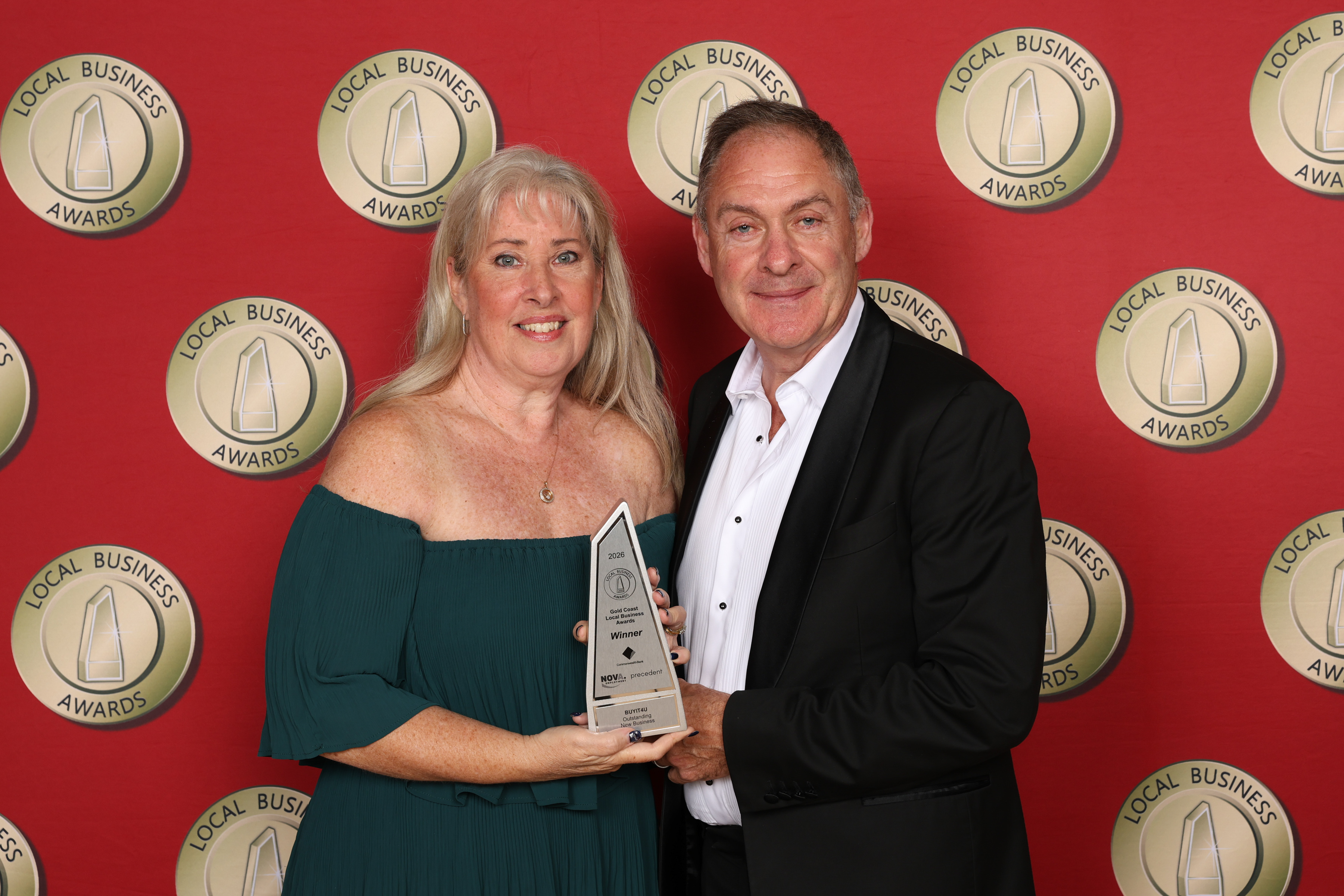
Beyond the fee, we bring 15-plus years of personal buying, renovating, and selling experience — not textbook theory. Stacey, our founder, has bought and flipped properties across the UK and Australia, taught herself to render walls and lay tiles, and came from a senior marketing and sales leadership background where reading body language and negotiation tone was a daily skill. Rob brings decades of senior operations leadership, ensuring every client journey runs smoothly from first call to key handover. We’re a husband-and-wife team, deliberately boutique, so every client deals with us directly, not a junior associate.
We’ve purchased over $20 million in property for clients since launching, including off-market homes for interstate investors who had tenants in before settlement, and a single mother relocating from New Zealand who didn’t know what a buyer’s agent was and now calls Stacey her “property godmother”. These outcomes are real, and they happened because we had access and relationships that a solo buyer couldn’t replicate.
The second thing to understand about working with us is that the flat fee removes any pressure to push a purchase through. We have turned away prospective clients — and declined non-refundable retainers — when their brief wasn’t achievable. If a budget won’t stretch to the right property in the current market, we’ll say so. The flat-fee model means we don’t need to take on clients we can’t genuinely serve.
Key Considerations for Buyers Evaluating the Market
If you’re trying to assess whether now is the right time — and whether you’re in a genuine real estate buyers market or just hoping for one — here are the factors we think matter most.
- Off-market access outweighs market cycle labels — even when supply is low overall, the properties you don’t see listed often represent the best value, because you’re not competing with every other buyer in the region.
- A fixed-fee structure removes the price-inflation incentive — if your buyer’s agent earns more when you pay more, that’s a misalignment you can’t afford to ignore, especially in a market where every dollar counts.
- Independent comparable sales data is your negotiation anchor — algorithmic price estimates and selling-agent guides are not reliable; a property is only worth what comparable, recent sales say it’s worth, and having that data changes the conversation.
- Speed and preparedness are non-negotiable — finance pre-approval, a conveyancer ready, and the ability to move quickly on an off-market opportunity are the practical tools that create a buyer’s advantage where none existed.
- Emotional decisions cost money — the longer you’ve searched alone, the stronger the urge to compromise; having someone who isn’t emotionally invested in the outcome keeps the focus on value, not fatigue.
These aren’t secrets. They’re operational truths that we see play out in every purchase. The difference between a good outcome and a stressful one often comes down to whether these things were in place before the right property appeared.
Practical Steps to Strengthen Your Position
If you’re planning to buy in South East Queensland in the next six to twelve months, there are things you can do today to shift the balance in your favour — even without engaging a buyer’s agent.
- Get your finance sorted early — not just pre-approval, but a clear conversation with a mortgage broker who understands SEQ lenders’ appetite for different property types; a conditional finance clause won’t win a negotiation against a cash-unconditional offer.
- Ask selling agents the right questions — instead of “what’s the price guide?”, ask “what have comparable properties sold for in this street in the last six months, and can I see the evidence?”; good agents will provide it, and if they won’t, that’s useful information.
- Request access to pre-market and off-market lists — build relationships with local agents and let them know you’re a serious, finance-ready buyer; they’re more likely to call you before a property is listed if they trust you’ll follow through.
- Read contracts and due diligence documents carefully — building and pest reports, body corporate minutes for units, and the Form 6 appointment if you engage an agent; don’t sign anything you haven’t read, and don’t assume the conveyancer will catch everything without specific instructions.
- Consider the cost of waiting — in a market where values are rising, a year of hesitation can mean paying tens of thousands more for a comparable property; that’s not a scare tactic, it’s the reality of the SEQ growth trajectory.
None of this requires a huge financial outlay. It requires intention, time, and a willingness to treat the process like the largest financial decision most people ever make. We see too many buyers treat property purchase like a weekend hobby until they’re suddenly under pressure and making decisions they regret.
Let’s Talk About What’s Possible
A true real estate buyers market might not exist in the broad SEQ housing cycle right now, but buyer advantage absolutely does — it just looks different from what the headlines suggest. It looks like an off-market property that never sees a public listing. It looks like a negotiation where the selling agent knows we’ve got comparable sales data and an unconditional-ready buyer, so the price stays grounded. It looks like a first home buyer who finally stops missing out and secures a home under budget because they had someone in their corner who knew the game.
At BuyIt4U, that’s what we do every day. If you’re tired of weekends lost to open homes, unsure whether a price guide reflects reality, or simply want someone who isn’t financially incentivised to let you overpay, we’d welcome a conversation. Book a free clarity call with Stacey or Rob — it’s 15 to 20 minutes, no obligation, and we’ll tell you honestly if we can help. You can also download our free First Home Buyers Guide or the Buying in SE QLD guide from the website.
Stacey: 0427 749 990
Rob: 0407 520 920
Website: https://buyit4u.com.au
Location: Maudsland, Gold Coast — serving South East Queensland
We’ve purchased over $20 million in property for clients since launching, hold a 5.0-star Google rating, and were recognised as a finalist in two categories at the 2026 Australian Buyers Agent Awards. But what matters more is this: we built BuyIt4U around the principle that a buyer deserves representation free from conflicted incentives. If that sounds like the kind of support you need, we’re here.
Written by
Stacey Mitchell
Buyer's advocate at BuyIt4U, representing buyers across the Gold Coast, Brisbane and South East Queensland.