4 November 2026 · 11 min read
Due Diligence for Home Buyers: What You Must Know

You’ve been to yet another open home. The kitchen’s got the butler’s pantry you wanted, the yard’s a decent size, and the agent keeps mentioning there’s an offer coming in later today. Your gut says go. Your partner’s already mentally moving furniture. But somewhere deep down, a quieter voice wonders what you’re missing — what you don’t know about this house, or how much you should really be paying.
That quiet voice is the one asking for due diligence for home buyers. It’s the part of your brain that recognises property isn’t a pair of shoes. You can’t return it if it doesn’t fit after a week.
At BuyIt4U, we’ve worked with buyers who learned the hard way that excitement alone doesn’t get you a good outcome — and we’ve worked with plenty more who sidestepped disaster because they knew what questions to ask. South East Queensland’s market moves fast. Properties sell before they hit the portals, price guides can be more fiction than fact, and the agent you’re chatting to over the canapés works for the vendor, not for you. So let’s talk about what proper due diligence for home buyers actually involves, why it matters, and how to get it right without losing your weekends or your mind.
What Due Diligence Actually Means for a Buyer
When you’re buying a property, due diligence is the process of verifying everything that matters before you go unconditional. It’s not just a building and pest inspection — though that’s certainly part of it. It’s about confirming the value, identifying risks, and making sure you’re not walking into a financial trap dressed up as a dream home.
In South East Queensland, where many properties are sold without an advertised price, the work becomes even more important. You’re essentially negotiating blind unless you’ve got a clear read on comparable sales, the property’s condition, and any legal or council-related wrinkles that could cost you later. Skipping any of this isn’t bold — it’s just dangerous.
We’ve seen first home buyers get caught up in the excitement and wave the building and pest clause because the agent said someone else was willing to. Investors have bought sight-unseen without checking whether the suburb was over-supplied with rentals. Relocators from interstate have trusted an online estimate and overpaid by a staggering amount. None of these people thought they were being reckless. They just didn’t know what they didn’t know — and in a market built around the seller’s advantage, that knowledge gap gets expensive fast.
Why Due Diligence for Home Buyers Isn’t Optional
The default real estate transaction in Queensland isn’t set up to protect the buyer. Selling agents have a legal obligation to the vendor — not to you. That means the advice they offer, the urgency they create, and the price guidance they share is all designed to get the highest possible sale price for their client. That’s their job, and they do it well. But without your own independent checks, you’re flying completely blind.
One client we spoke with had nearly bought through a selling agent who also represented the vendor. The agent — friendly, helpful, seemingly looking out for her — negotiated her into a contract at a price that, from our local market knowledge, was well above actual resale value. By the time she realised she’d overpaid, she was already unconditional. She’d skipped independent due diligence for home buyers because she trusted the agent she’d been working with. The financial toll was severe. That’s not a story to frighten people. It’s just a reality of a system that isn’t designed to look after you.
Beyond price, there are structural risks that no online listing photo shows — rising damp, drainage issues, unauthorised renovations, hidden easements. Then there are the financial risks: a price guide generated by an algorithm that doesn’t know the property was a quick flip with cheap finishes. A valuation that doesn’t stack up for your lender. A contract with a special condition that lets the vendor walk away if they get a better offer. These aren’t edge cases. They crop up constantly, and the only thing standing between you and a decision you’ll regret is a proper due diligence process.
How We Approach Due Diligence at BuyIt4U
When someone engages us, due diligence for home buyers is woven into every stage of our work. We don’t treat it as a single checkbox to tick just before signing. It starts with our property brief, continues through every off-market and on-market opportunity we present, and runs right through to settlement.
Here’s the approach we take, as a matter of course, with every client:
- Coordination of building and pest inspections through trusted, licensed partners who know what to look for in South East Queensland homes — and who won’t gloss over red flags because they’re getting repeat work from a selling agent.
- Contract review with an experienced conveyancer so every clause, from finance to sunset dates, is understood before you sign, not after.
- Comparable sales analysis that draws on real, recent transactions and our own intel — not just what an online portal thinks the place might be worth.
- Off-market verification that goes even deeper, because off-market properties haven’t had the public scrutiny of a listing campaign, and we want to be absolutely certain about value before we recommend a client move forward.
- Council and title checks to flag flood overlays, zoning restrictions, or easements that could impact future use — all surfaced before you commit, not after you’ve bought.
That coordination is a sizeable operational task. For a buyer doing it alone, it means days of phone calls, chasing reports, and making judgement calls without the broader context. In our experience, many buyers simply don’t have the time — and that’s where cracks open up.
The True Cost of Getting It Wrong
It’s easy to look at a due diligence process and think, it’s just paperwork. But we’ve seen what happens when it’s not done properly: a home that needs $40,000 in restumping nobody knew about. A granny-flat dream scuppered by a covenant that doesn’t allow secondary dwellings. An investment property that can’t attract tenants because three other near-identical rentals hit the market the same week.
Then there’s the emotional cost. The relief of signing a contract turns into a cold sweat when the building report lands and it’s six pages of defects. Or the sinking feeling when your mortgage broker calls to say the valuation came in low and you need to find extra cash at short notice. None of this makes for a good Saturday.
We had one client, a single mother relocating from New Zealand, with a budget of $650,000 and zero local knowledge. We introduced her to a mortgage broker who lifted her borrowing capacity, then sourced an off-market townhouse. The property ticked every box on her brief, but we still ran every check — building, pest, comparable sales, council records — before she signed. That thoroughness gave her the confidence to move forward, and it meant she didn’t end up with a compromise she’d regret. She now calls Stacey her property godmother. Not because we did anything flashy, but because we made sure she didn’t buy a problem.
A Practical Due Diligence Process for Home Buyers
So what does a methodical due diligence process look like if you’re managing it yourself? Even without a buyer’s agent in your corner, there are layers you can control — and layers where you’ll want professional backup.
Start with the property itself. A building and pest inspection from a licensed, independent inspector is essential. Don’t just accept one the selling agent recommends. Look for an inspector who works for you, provides thermal imaging reports, and will talk through every finding without jargon. Then, have a conveyancer review the contract — ideally before you make an offer, not after. Search for flood maps, bushfire overlays, and any council development applications nearby. Visit the property at different times of day, talk to neighbours if you can, and get a feel for the street’s character beyond the Saturday open home.
For pricing, you need real comparable sales. Not the automated estimate on a listing portal — that’s an algorithm, not a valuer. Look at actual recent sales of properties with similar land size, building condition, and location. Be ruthless. If the agent’s price guide doesn’t stack up against those numbers, treat their suggestion with caution.
For off-market opportunities, you’ll need even more rigour. Off-market properties can be incredible finds — less competition, less urgency — but they also haven’t been tested by the open market, so verifying value is harder. That’s where local relationships and deep market knowledge become essential, because there’s no public listing history to fall back on.
Finally, understand your own financial position. Talk to a mortgage broker early so your pre-approval actually reflects what you can spend, factoring in rates, insurance, and body corporate fees. Know which grants and stamp duty concessions you’re eligible for, and ensure the property meets the criteria so you don’t miss out on thousands of dollars in benefits.
Key Benefits of a Proper Due Diligence Process
Getting due diligence for home buyers right pays off in ways that go beyond just avoiding a disaster. Here’s what it really delivers:
- Financial confidence that you’re not overpaying, backed by real-world comparable sales and local knowledge rather than agent-driven price guides or algorithmic estimates.
- Clear visibility of any structural or legal issues before you commit, so you either negotiate repairs, adjust your offer, or walk away with your deposit intact.
- Reduced stress throughout the purchase, because you’ve replaced guesswork and anxiety with a systematic process that tells you exactly where you stand.
- Time saved by not chasing reports or chasing agents, since a coordinated due diligence process lines everything up efficiently, often in a matter of days rather than weeks.
- Stronger negotiation leverage when you can show a selling agent that your offer is based on evidence, not emotion — and that you’re ready to move quickly because you’ve already done your homework.
These aren’t abstract concepts. They’re the tangible difference between a sleepless night and waking up the morning after settlement feeling genuinely excited about the keys in your hand.
How We Bring It All Together
At BuyIt4U, due diligence for home buyers isn’t a separate service or an add-on you pay extra for. It’s baked into the single flat fee we charge — and because our fee doesn’t rise if you spend more, there’s no incentive for us to rush you into a higher-priced property with unexamined risks.
From the moment you sign, we’re building your property brief, sourcing opportunities on and off market, and weaving due diligence into every step. When Stacey finds a property that matches your brief, she’s already thinking about comparable sales, council overlays, and what a building inspector might flag in a home of that age and style. That’s the benefit of having more than 15 years of personal buying, renovating, and selling experience. She’s not relying on a textbook. She’s lived it.
Rob ensures the entire process stays on track — coordinating with conveyancers, building inspectors, and your broker so that nothing slips through the cracks. Our clients range from first home buyers navigating their first ever purchase, to interstate investors buying sight unseen, to relocating families who haven’t set foot on the Gold Coast yet. They all get the same level of rigour. And in many cases, they get into properties that never reached the open market, saving the stress of competing at auction or watching a listing gather 40 groups at an open home.
We don’t promise that every property will be perfect. No house is. But we do promise you’ll know exactly what you’re buying before you go unconditional — and that you’ll have someone in your corner whose only job is to protect your outcome.
Practical Steps for Your Own Property Search
If you’re still in the early stages and want to take control of your own due diligence, here are a few moves that make a real difference:
- Get pre-approved, but don’t treat it as a final budget. Use it as a ceiling, and work backwards from what you’re actually comfortable spending once you factor in ownership costs beyond the mortgage.
- Start compiling a comparisons file. Every time you see a similar property sell in your target suburb, note the address, land size, condition, and sale price. That data becomes your personal reality check against listing price guides.
- Line up your trusted professionals early. A good conveyancer can review a contract in hours, not days, and having that relationship already established means you won’t be scrambling when the right property appears.
- Visit the area more than once. A street that seems perfect at 11am on a Saturday might feel very different at 6pm on a Tuesday, or when the school down the road finishes for the day.
- Ask the questions that agents don’t volunteer. Has the property been renovated recently? Is there a body corporate? What was the last sale price? Are there any development applications nearby? If the answers are vague, treat that as a data point in your decision.
These steps won’t replace the value of having a professional in your corner, but they’ll reduce some of the risk if you’re going it alone for now.
When the Numbers Don’t Lie
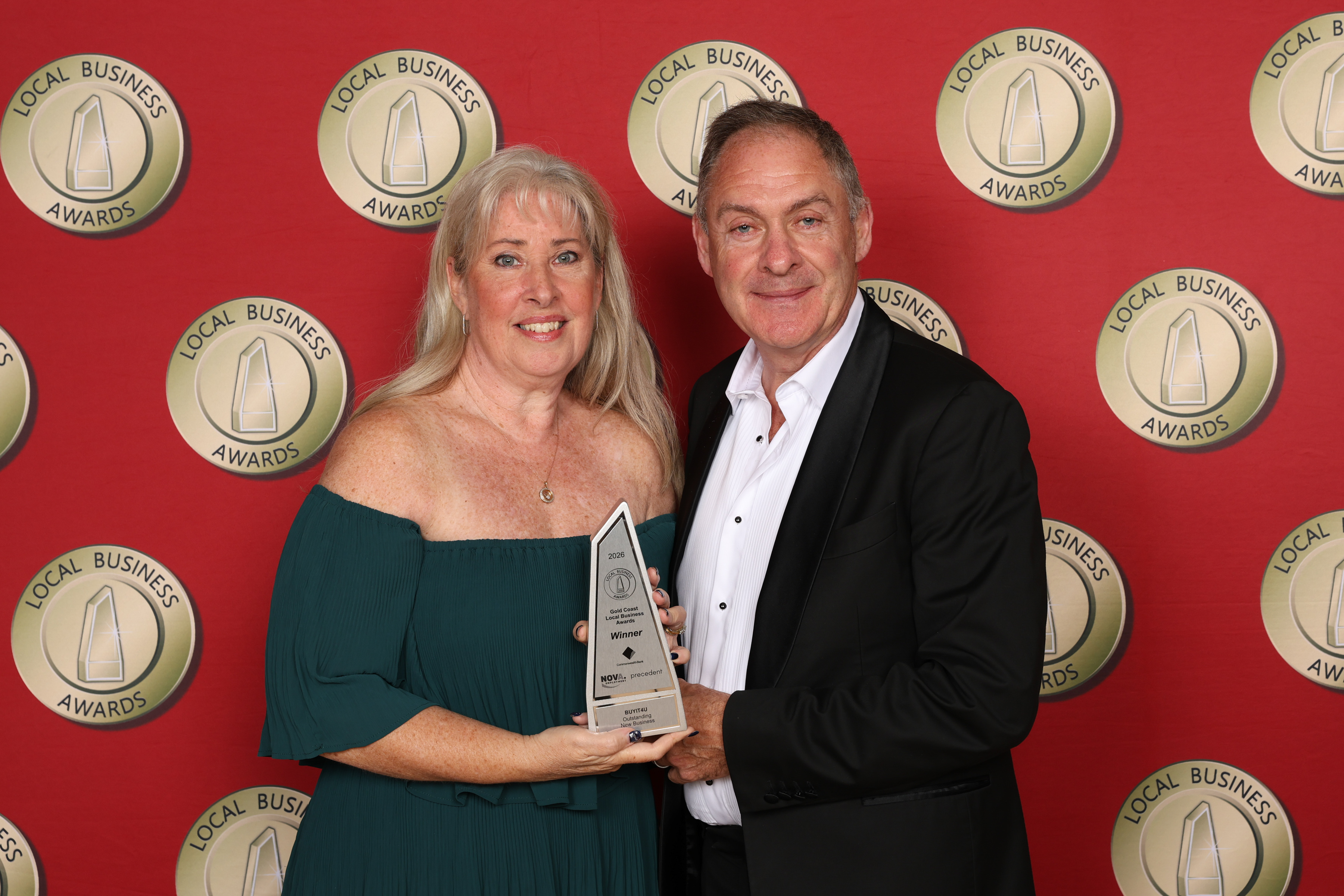
We’ve purchased more than $20 million worth of property for clients since launching in late 2024, including just under $10 million in 2025. Our Google rating sits at 5.0 stars. In 2026, BuyIt4U was named a finalist at the Australian Buyers Agent Awards in two categories — including First Home Buyer Specialist of the Year for Stacey Mitchell. Those aren’t vanity metrics. They’re the result of doing the unglamorous, consistent work that proper due diligence for home buyers demands.
If you’re weighing up whether to engage a buyer’s agent, or you’ve been searching alone for months and feel like you’re no closer to a purchase, the best next step is simple: book a free clarity call with us. It’s a no-obligation conversation where we talk through your goals, your budget, and what’s realistic in this market. We’ll be honest — sometimes too honest — because we’d rather tell you a brief isn’t achievable than take a fee for a search we can’t deliver.
You can reach Stacey on 0427 749 990, Rob on 0407 520 920, or visit our website at buyit4u.com.au. While you’re there, download our free First Home Buyers Guide or the Buying in SE QLD guide — both packed with practical advice that can help you navigate the process, whether you end up working with us or not.
The market will keep moving. The property you’re looking at today probably won’t be there next week. But that doesn’t mean you should rush past the due diligence that protects you. It means you should have a process that works quickly, accurately, and with your interests at the centre. That’s the only kind we know how to run.
Written by
Stacey Mitchell
Buyer's advocate at BuyIt4U, representing buyers across the Gold Coast, Brisbane and South East Queensland.