22 October 2026 · 10 min read
Buyers Fee Real Estate: The Honest Guide to Buyer’s Agent Costs

For many buyers, the phrase buyers fee real estate sparks a mix of curiosity and caution. You’re trying to figure out if hiring a professional to search, shortlist, and negotiate on your behalf is worth the cost—and whether that cost is truly aligned with your interests. At BuyIt4U, we’ve seen that confusion firsthand. Buyers tell us they’ve heard fees range from a few thousand to tens of thousands, and they’re not sure what they’d actually be paying for, or why the structure matters so much.
A buyer’s agent should be your strongest ally in a market built around the seller’s advantage. But the way that agent is paid often works against you. In this article, we’ll unpack how buyer’s fees in real estate actually work, why the standard percentage model creates an incentive problem, and what flat‑fee buyer representation looks like in practice—so you can make a confident, informed choice about who represents you in one of the biggest financial decisions you’ll ever make.
The Standard Buyer’s Agent Fee Structure
Most buyer’s agents across South East Queensland operate on a percentage‑based fee model. The typical approach sees the agent charge somewhere between 2% and 3.5% of the property’s final purchase price, plus GST. That means the fee scales directly with what you pay. A 2.5% fee on a $750,000 home adds a considerable sum, but that same percentage on a $1.2 million purchase almost doubles the agent’s earnings—even though the actual work involved is broadly the same.
This model is so deeply embedded that many buyers assume it’s the only option. But here’s the problem: a fee that increases with the purchase price creates a built‑in conflict of interest. The agent nominally works for you, yet they are financially rewarded if you pay more. While many reputable agents are ethical, the structure itself doesn’t align their incentive with yours. It aligns it, inadvertently, with the vendor’s goal of a higher sale price.
In practice, that can mean subtle nudges to stretch your budget, an inclination to overlook niggling concerns during due diligence, or a tendency to highlight only the upside of a property that sits at the upper edge of what you can afford. When you’re caught up in the emotion of a property search, this incentive gap is easy to miss—but it can cost you far more than the fee itself.
How We Think Differently About the Buyer’s Fee
At BuyIt4U, our approach to buyers fee real estate is deliberately different. We charge a fixed, flat fee that does not change, no matter what your purchase price turns out to be. Whether the property goes for $600,000 or $1.2 million, our fee stays exactly the same. This structure removes any financial incentive for us to encourage you to pay more—and it means every recommendation we make can be traced back to your brief, your budget, and your long‑term best interests.
Our flat fee covers a complete end‑to‑end buyer’s advocacy service. There are no hidden add‑ons, no tiered packages that leave you to handle parts of the process yourself, and no additional charges for securing an off‑market property. We coordinate everything from your initial clarity call through to key handover, including:
- A single, transparent fee agreed before we start, with no percentage kicker
- Unlimited property inspections—across on‑market, off‑market and pre‑market stock
- Full negotiation and auction bidding, backed by comparable sales data and local agent relationships
- Ongoing support right through to settlement and beyond, including post‑purchase check‑ins
This is a single, all‑encompassing engagement—not a menu of “add‑ons” that nudges you toward a higher spend.
Buyers Fee Real Estate: How Does the Percentage Model Work?
Understanding buyers fee real estate isn’t just about comparing numbers; it’s about recognising that the pricing structure itself shapes the type of service you receive. When a buyer’s agent charges a percentage, the mathematics are simple. On a typical South East Queensland purchase, the fee can land anywhere from low five figures upward, and the final amount only becomes clear once contracts are signed.
The fee is usually a percentage of the purchase price inclusive of GST, and it’s often payable as a retainer plus a balance on unconditional exchange. Because the agent knows their income rises with the price, the structure naturally directs their focus toward closing a deal at the highest possible number the buyer can stomach. Again, this doesn’t imply that every percentage‑based agent acts unethically. But the system itself does not prevent the push; it invites it.
We’ve seen the downstream effects. Buyers working without independent, flat‑fee representation sometimes overpay by tens of thousands—an amount that dwarfs any buyer’s agent fee—because the negotiating dynamic favours the seller from the start. And off‑market access, which can be the single biggest driver of a below‑market purchase, rarely features in a percentage model because it requires deep agent relationships and time that the fee structure doesn’t specifically reward.
The Hidden Incentive That Costs Buyers More
A percentage fee essentially puts the buyer’s agent on the same side of the table as the selling agent when it comes to the sale price. Both benefit if the number goes up. The selling agent’s legal obligation is to the vendor, and the buyer’s agent’s financial interest, under a percentage model, quietly aligns with that goal. That’s not a theory—it’s simple arithmetic.
This misalignment can surface in subtle ways. An agent might frame a property as “priced well for the area” without robust comparable sales evidence, or they might discourage a low offer because it would reduce their commission. Over the course of a search, those small moments add up to a purchase that reflects the agent’s incentive, not the buyer’s budget or the property’s true market value.
The Flat‑Fee Alternative: Aligning Cost with Accountability
A flat‑fee buyer’s agent operates under a fundamentally different logic. Because the fee does not rise with the purchase price, the agent has zero incentive to see the buyer pay more. In fact, the opposite becomes true: the agent is free to push hard for the lowest possible price, to negotiate without an eye on their own income, and to walk away from a deal that doesn’t serve the buyer—knowing their fee is unaffected.
At BuyIt4U, we set the fee before we even start searching. That means we’re never calculating our benefit as you consider a property. Our only focus is whether the home matches your brief, whether the comparable sales data supports the price, and whether the due‑diligence picture stacks up. When we sit down to negotiate, we’re advocating purely for your outcome, not a fatter commission.
This structure also transforms how buyers experience the process. You know from day one exactly what you’ll pay, regardless of how the market moves. There’s no fee shock on settlement day, and no lingering doubt about whether your agent nudged you toward a higher bracket because it suited their pocket.
Why Off‑Market Access Changes the Real Estate Buyer’s Fee Value
One of the most overlooked aspects of a real estate buyer’s fee is what it actually buys you in terms of access. Many of the best properties in South East Queensland never appear on the major listing portals. They change hands through pre‑market conversations and off‑market networks, and only buyer’s agents with genuine, long‑standing relationships get the call.
When we include off‑market access as part of our fixed engagement, it directly affects the value you get from the fee. An off‑market property typically sells for less than it would have achieved on an open campaign, because there’s no competitive marketing pressure. The savings can be significant—often enough to more than cover the entire flat fee. With a percentage‑based model, however, even an off‑market win can be diluted: the agent still earns more as the price rises, so the same incentive problem persists.
We’ve secured off‑market homes for clients that, had they gone to market, would have sold well above the client’s budget. Because our fee was flat, every dollar of that saving stayed with the buyer, not the agent. That’s the difference a fee structure can make.
What a Transparent Buyer’s Fee Should Include
When you start comparing buyer’s agent engagements, the headline number doesn’t tell the full story. A lower percentage rate can still end up costing more if it leaves you handling the search, negotiation or due diligence yourself. A truly transparent buyer’s agent fee should cover the entire journey, with no surprises.
Here are the essential elements any fee—flat or otherwise—should include:
- Full property search and shortlisting across all market channels, not just the publicly‑listed stock
- Negotiation and auction representation, backed by thorough comparable sales analysis and local agent dialogue
- Coordination of building and pest inspections, contract review, and all third‑party interactions through to an unconditional contract
- Post‑purchase support, including settlement management and a genuine ongoing relationship beyond key handover
At BuyIt4U, we don’t break these into optional extras because we believe a buyer’s agent isn’t really doing their job if they hand over a shortlist and wish you luck. Our fixed engagement covers the entire picture, from first clarity call to the moment you walk through your new front door.
How We at BuyIt4U Put Our Fee Structure to Work for You
Our flat approach to buyers fee real estate means every decision is anchored in your outcome. When you become a client, you’re not handed off to a junior associate. Stacey and Rob—the husband‑and‑wife team behind BuyIt4U—manage every engagement directly.
Stacey brings more than 15 years of hands‑on property buying, renovating and selling experience, plus a senior corporate marketing and sales‑leadership background that shapes how she reads negotiation dynamics and buyer psychology. Rob’s decades of senior operations leadership keep every client journey running seamlessly, from property brief to settlement. This isn’t a franchise‑scale operation; it’s a boutique, personal service built on the principle that a fee shouldn’t rise just because the house costs more.
We start with a free, no‑obligation clarity call to understand your goals, budget and timeline. If there’s a fit, we craft a detailed property brief—often a 15‑page roadmap covering growth corridors, school catchments, comparable sales and the like—and then begin searching across on‑market and off‑market channels. Every step is communicated in real time through a dedicated WhatsApp group, and we negotiate directly with selling agents using pre‑existing relationships and hard data.
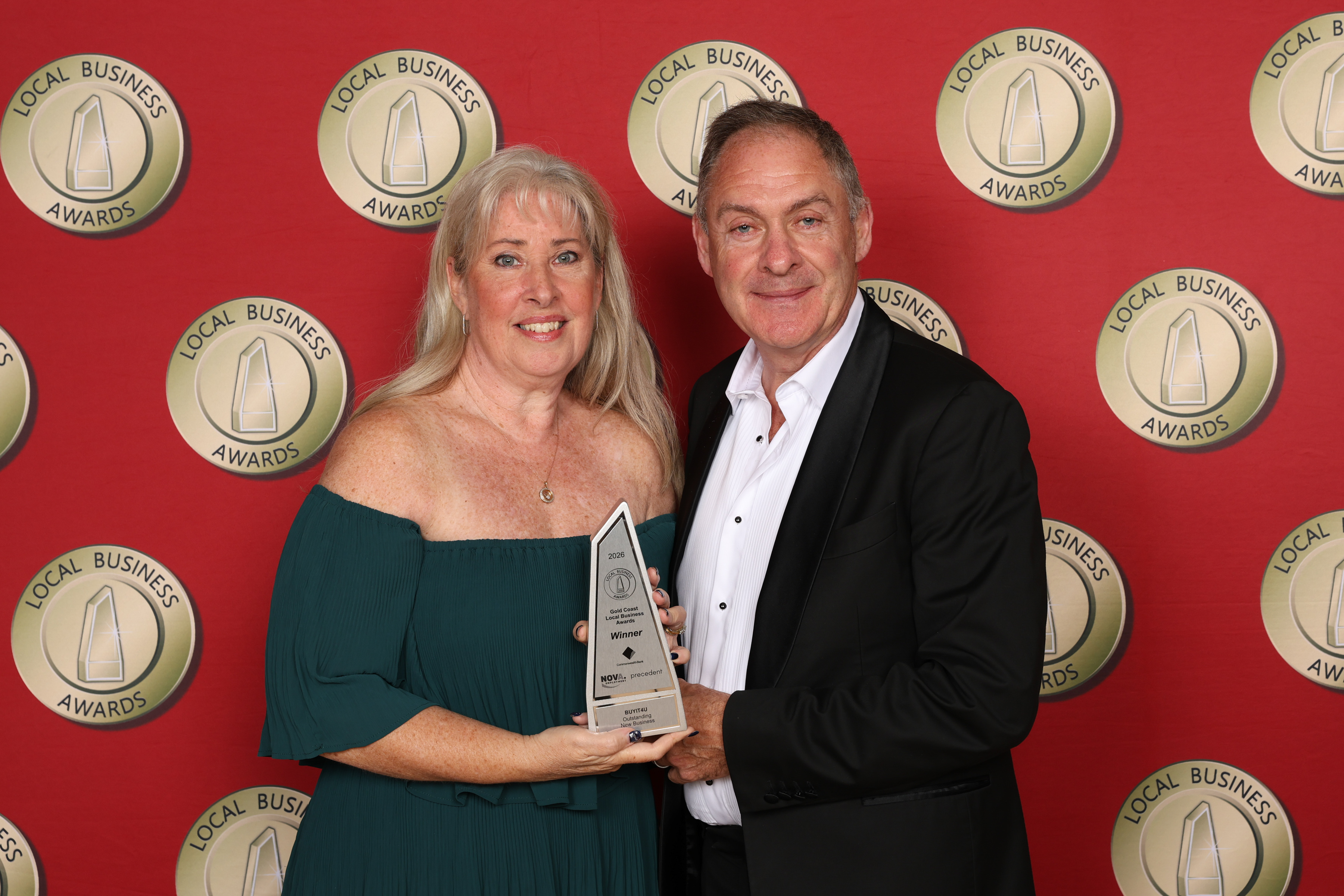
Since launching, our team has purchased more than $20 million in property for clients, earned a 5.0‑star Google rating, and was named a finalist in the 2026 Australian Buyers Agent Awards in two categories. Those results are real, but the measure we care about most is that our clients feel genuinely represented—and often stay in touch long after settlement.
Evaluating a Buyer’s Agent: Questions That Put the Fee in Context
If you’re speaking to buyer’s agents, the fee structure is only one piece of the puzzle. How the fee is charged, what it includes, and what kind of relationship sits behind it matter just as much. We recommend asking these questions early in the conversation.
- What does the fee cover, and are off‑market properties, auction bidding, and due‑diligence coordination included as standard?
- Is the fee a flat amount, or a percentage of the purchase price—and if it’s a percentage, how does that shape the agent’s incentive when negotiating?
- Who will actually be doing the searching and negotiating—you, or a junior team member you haven’t met?
- Can the agent point to recent off‑market successes in your target area, and what comparable‑sale evidence do they typically present before you make an offer?
- What does the engagement agreement look like, and is the fee locked in before the search begins?
A good agent will welcome these questions because they signal you’re serious about value, not just cost. At BuyIt4U, we’ve never shied away from this conversation—and we’ve turned away potential clients where the brief wasn’t achievable, rather than take a retainer we couldn’t genuinely deliver on.
Ready to Rethink the Way Real Estate Buyer’s Fees Work?
The way a buyer’s agent is paid isn’t a trivial detail—it’s the foundation of the entire relationship. A percentage fee can quietly shift the agent’s focus away from your best price, while a flat fee removes the conflict entirely, letting your advocate fight for the lowest possible number without ever calculating what that means for their own income.
If you’re tired of guessing, tired of online price guides that don’t reflect reality, and tired of weekends lost to open homes that lead nowhere, we’d love to chat. You don’t need to walk into this decision alone—or with an incentive model working quietly against you.
We’re based in Maudsland on the Gold Coast and serve buyers right across South East Queensland, from Brisbane to the Sunshine Coast and beyond. Our clients include first home buyers, relocators, investors, and busy professionals—all of whom receive the same transparent, flat‑fee advocacy.
Take the next step
Book a free, no‑obligation clarity call today. There’s no pressure, no lock‑in, and no hidden fees—just an honest conversation about where you want to be.
- Stacey Mitchell: 0427 749 990
- Rob Mitchell: 0407 520 920
- Website: https://buyit4u.com.au
We’ve already helped clients secure more than $20 million in property, hold a 5.0‑star Google rating, and were honoured as a finalist at the 2026 Australian Buyer’s Agent Awards. But the only number that matters is how much you save when you’re represented the right way.
Let’s talk about how a flat‑fee structure can reshape your entire buyers fee real estate experience.
Written by
Stacey Mitchell
Buyer's advocate at BuyIt4U, representing buyers across the Gold Coast, Brisbane and South East Queensland.